

Water is the unifying link to all the work put forth at Team EJP, going all the way back to our first year in business in 1955. The company’s products and services are closely linked with markets for drinking water, wastewater and stormwater. Team EJP’s efforts extend also into groundwater protection and the interaction of water with our lakeshores, river banks and coastal properties.
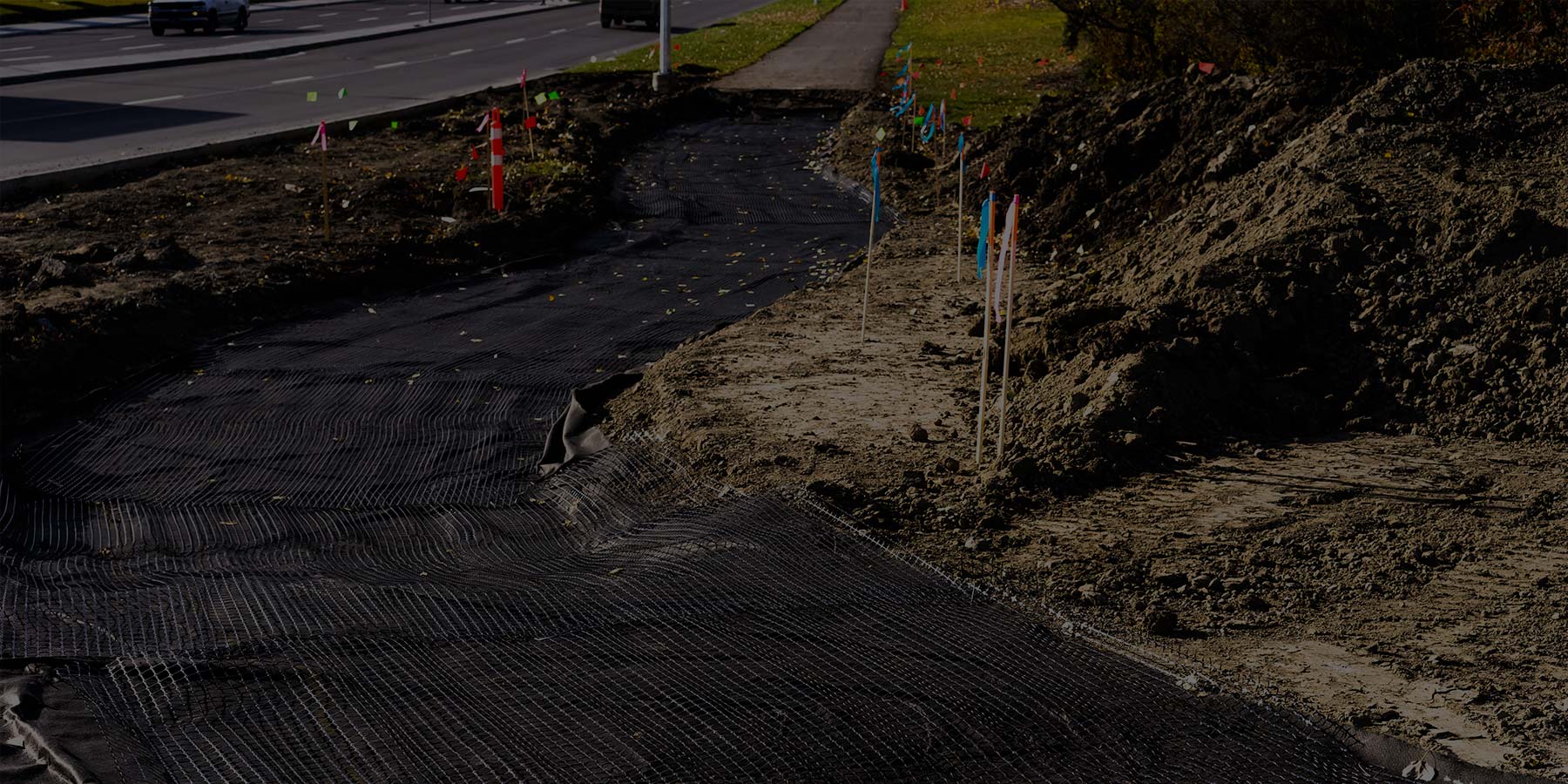
With geotextile fabrics being used so commonly on today’s active jobsites, it is hard to believe that this technology did not even exist just eight decades ago. This technology is commonly used to separate soil layers, and has turned into a multi-billion dollar industry.

One of our most challenging projects in recent history involved a historic mill in North Scituate, Massachusetts. The mill was built in 1691-92 by Abraham Lincoln’s great-great-great-grandfather, Mordecai Lincoln.
Team EJP has maintained a commitment for more than 65 years to the protection of our precious drinking water resources. This began when our founder, the late Everett J. Prescott, opened his first location in Gardiner, Maine in 1955, and continues to this day.
As the winter months approach, contractors and site owners get serious about preparing their sites for the worst that nature has to offer. Especially in northern regions, open construction areas can expect repeated freeze and thaw cycles, along with storm events that can include sleet, snow and rain.

With fall's crisp air nipping at our noses, it's time to start wrapping up all of those summer paving and improvement projects. But if these projects have left your service boxes further underground than before and harder to access, you can still retain your easy access to them by adding service box extensions. These extensions allow you to still be able to access your service box without having to dig through your new paving or similar obstructions, causing expensive damage that will require time and money to repair. Here's a quick look at how you can add service box extensions to make it easier to access your service box after new work has been completed.
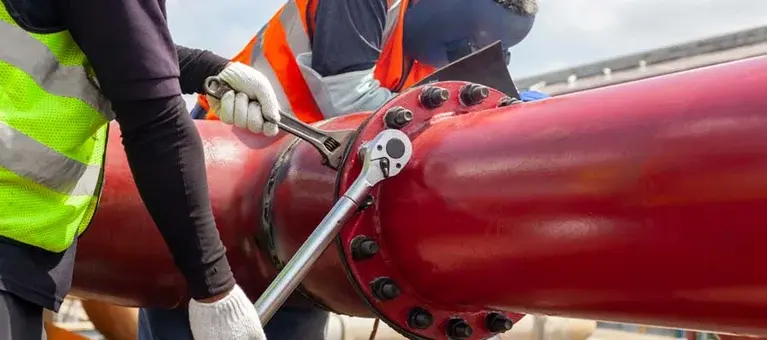
When you're in the waterworks industry, it's important that you have high-quality tools to get the job done. Unfortunately, though you'd think something as simple as a gate valve wrench would be simple, this often isn't the case. Whether you're working in tight quarters that make it difficult to turn your wrench or have to deal with poor-quality wrenches that leave you in a lurch as they slip and deform around the gate valve, having the right tool for the job makes all the difference between being able to get the job done quickly and efficiently and having to spend time looking for something that might work in a pinch. Here's a quick look at how having the right tools for the job can help you get the job done more effectively and efficiently, along with not damaging any valves or fittings.
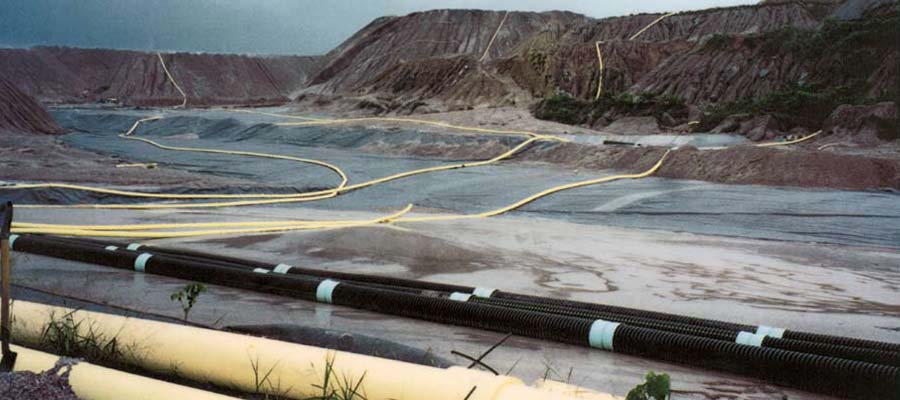
When it comes to laying in new water mains and branches, there is a wide range of different options available to meet your needs. But which one is the best when you're dealing with a high-pressure system? Which one works best in corrosive environments? Which ones are easy to install while delivering strong performance? More and more often, the answer comes from CertainTeed's new Certa-Lok Yelomine PVC restrained-joint pressure pipe. Here's a quick overview of the many benefits of Yelomine to help you learn more about this versatile water line.
*Updated 09/17/20*
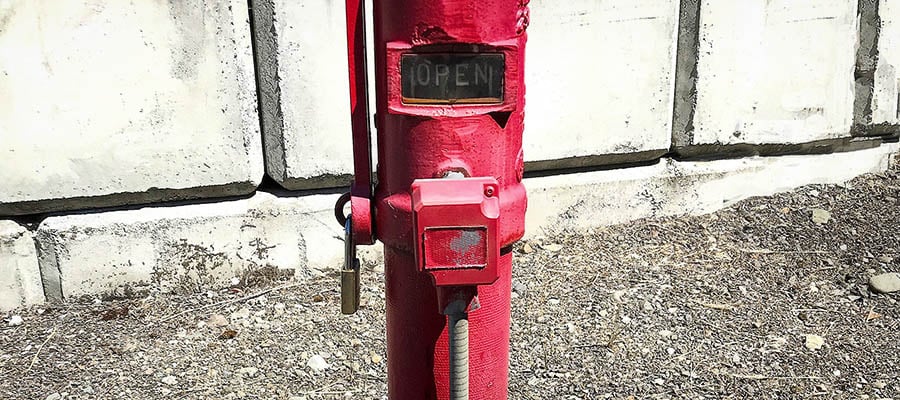
When you work in water utilities, there are always some valves that you want to know the position of, whether for fire suppression, frequently-exercised valves or those that require a very fast response to an emergency situation. One option you could consider is adding a Post Indicator Valve, or PIV, to that part of your system. But what is it, how does it work and where should you add it? In this post, we'll discuss some of the range of options and benefits of the American Flow Control IP16 Indicator Post Valve to help get you started.
*updated 08/21/2020
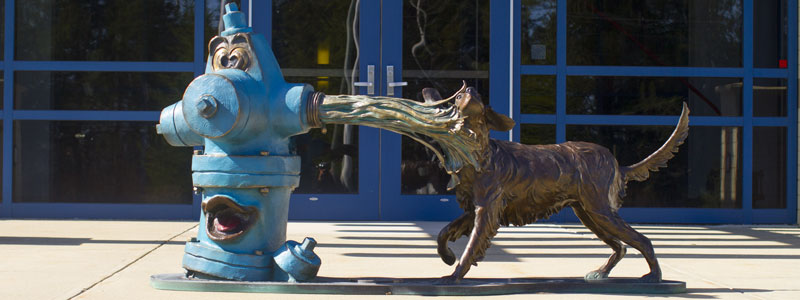
To keep your municipality running effectively, you need fire hydrants. Used by firefighters during a fire to put out the flames, fire hydrants operate by allowing your local firefighters to quickly tap into your water utility's pressurized water system. The firefighters remove a nozzle or two, fasten hoses to the nozzles and turn the valve to get the water flowing. They know how much pressure they have available based on the hydrant's body color and nozzle type, allowing them to quickly make a decision to help them prevent tragedy and reduce property damage.