

With the concern over the past few decades about the content of lead in household materials and how it can leach into our drinking water, the passage of laws that limit the amount of lead in potable water pipes, fittings and fixtures have become common. Though this is a great general change in policy, the devil is in the details - specifically, the term "lead-free". Though many consumers expect that to mean that the material used to create the piece contains no lead, this isn't always the case. In this post, we'll take a look at current lead-free requirements as compared to 100% lead-free components.
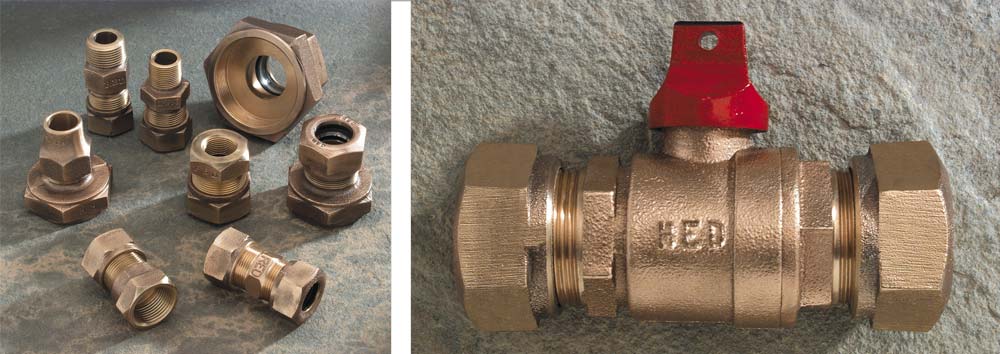
There's no doubt that there have been many changes in the definition of lead-free over the years, with a dizzying number of changes, definitions and standards. As these changes move forward, the continued reduction of lead in waterworks and plumbing fixtures is a concern for the continued operation of many waterworks and utilities companies. How do you stay ahead of the continuous changes of lead-free definitions and requirements that can cost your organization serious money, time and labor down the road? By starting with lead-free brass in the first place.

With the formation of the EPA and public concern over lead exposure in the 1960s and 1970s, the plumbing and waterworks industry saw the rise of a new set of laws that regulated lead content in drinking water. As time has gone on, amendments and additional legislation have been passed, on both the state and federal levels, to further limit the amount of lead allowed in drinking water and plumbing systems. But what exactly is the difference between these standards and how do they affect your industry? Here are some more details:
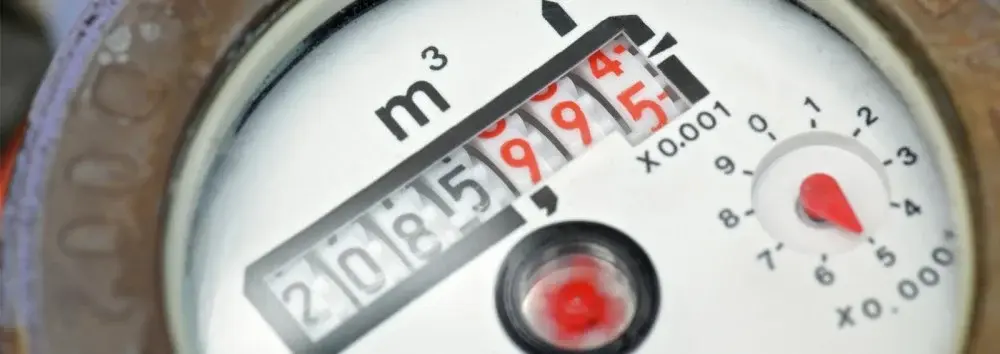
In the waterworks industry, meters are installed to meet current or expected future needs at a home or business. But what about when demand actually decreases or expected expansions don't take place? A common approach is to downsize the water meter at that site. But what are the benefits of downsizing meters that meet this criteria and how do they help ensure customer satisfaction? In this piece, we'll take a solid look at several reasons why meters are downsized and how they benefit your customers.
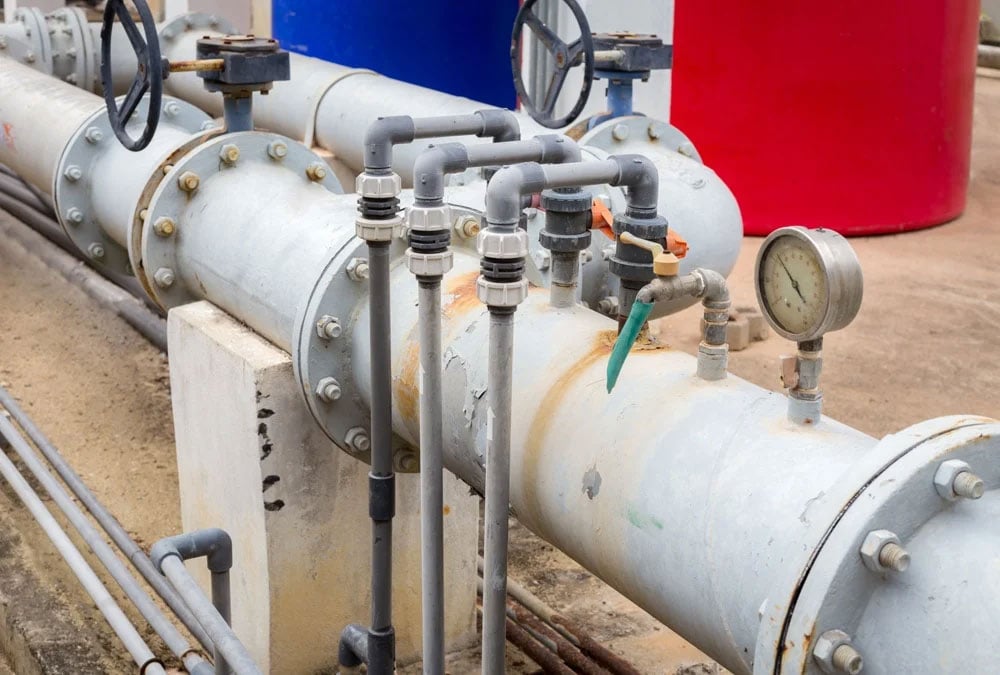
When you're working in the waterworks business, you know that the only thing uniform about the customers you serve is that they are all different. Some need water during particular parts of the day, while others require a constant flow. Some require only a little water because they're using exceptional water-saving technologies while others go through enough water to fill an Olympic-sized swimming pool every few days.