
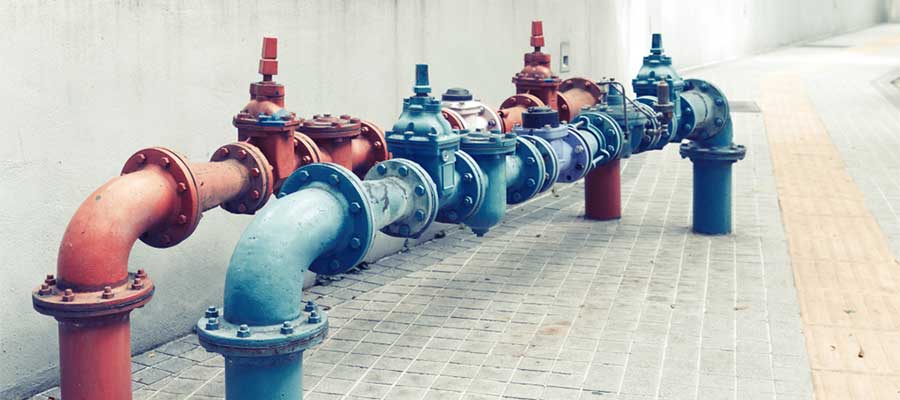
It’s fairly common in the waterworks industry to step from one pipe size to another, typically using a single flange or a series of fittings to make the connection happen. What if you need to fit the diameter change into a small area? We have a number of space saver flanges that help make the transition in the space needed, as it combines both connections in a single plate. But what can you do when you have a specialty situation that needs a different approach? At Team Red Hed Manufacturing, we believe in providing customized solutions for our clients when they’re needed. Here’s the story of how we helped solve a unique problem for an upcoming bid.
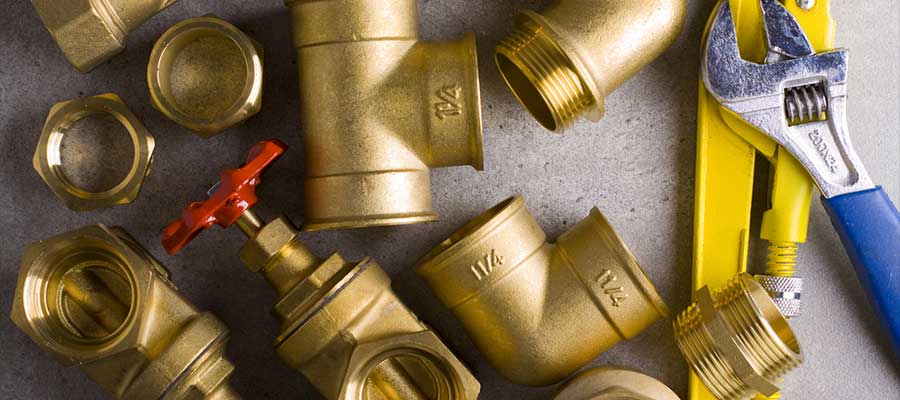
When you need to connect to a water meter, there’s no doubt that using a flared coupling provides you with a better connection and a much lower chance of failure than many other methods. But it can be difficult to make the connection from a copper supply line to your meter. At Red Hed Manufacturing, our job is making sure you can get your job done with better fittings, including our flare coupling adapters for meters. Here’s how they’ll help you make a better connection.
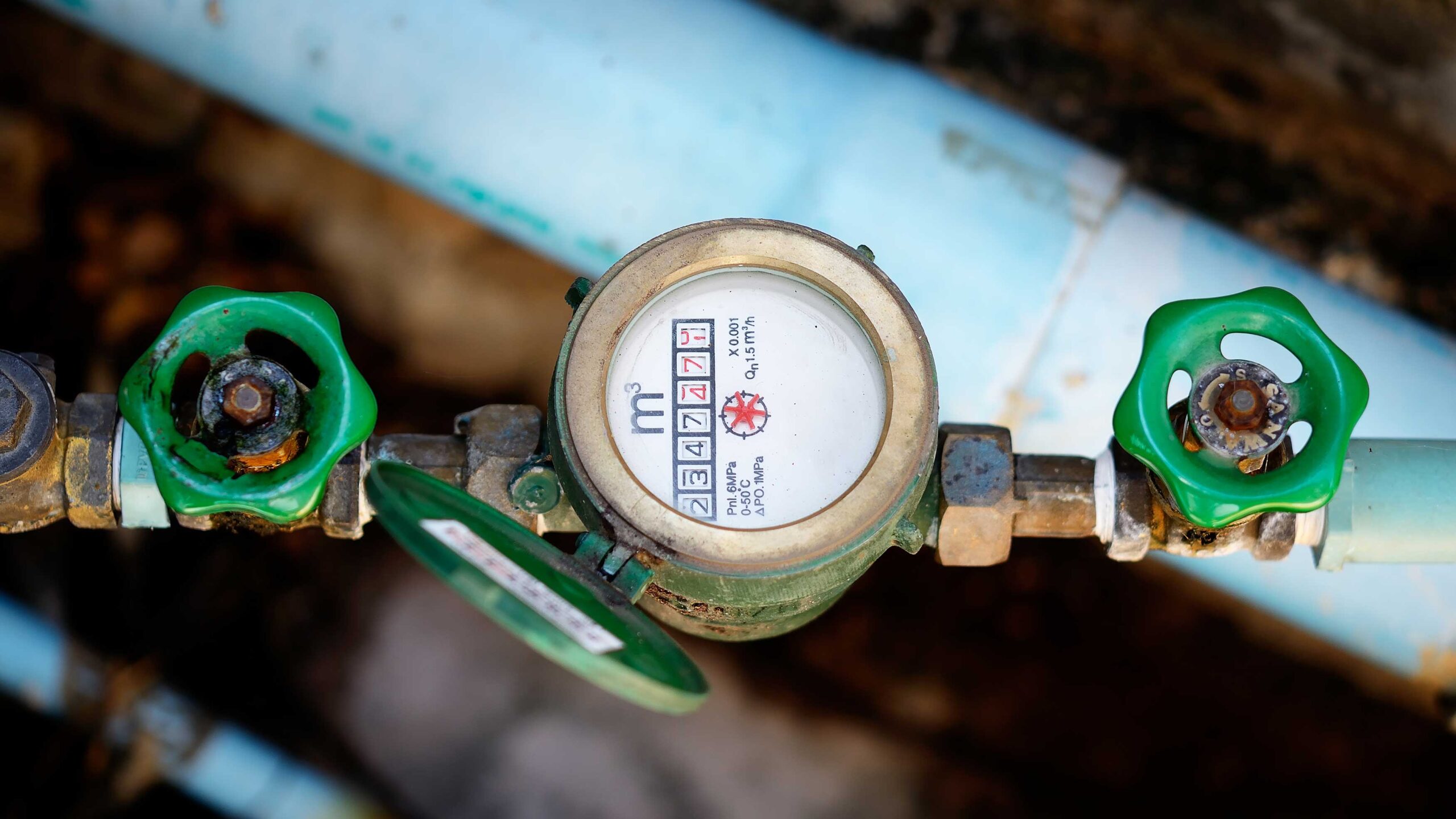
When you work in the water utility industry, you expect some amount of water loss through leaky transmission lines and meter issues. But what if downsizing the meters in your supply system could ensure you'd regain those lost profits through more accurate record keeping? In this post, we're going to discuss a few real-world examples where downsizing helped the client greatly reduce waste and increased profits significantly. Here's what they found:
At Red Hed Manufacturing, we always try to answer our customer's questions before they're asked, but on occasion, we're able to go into great depth and detail about one of our high quality lead free water utility products. Because our lead-free flange adapters have received a great deal of interest and attention recently, we've produced a guide to help you discover more about these versatile adapters and their construction. Here's a little bit of the information you'll find available in this guide.
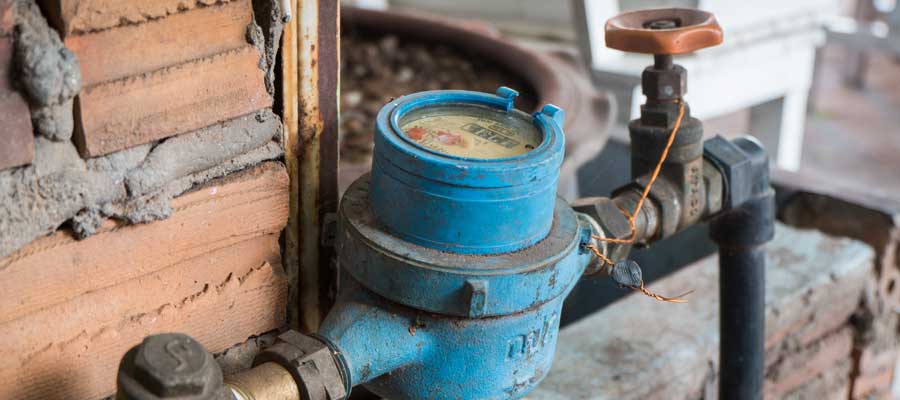
When it comes to downsizing older meters for new equipment, it's not unusual to run into issues in spacing and sizes between the two meters. How do you bridge the gap between the new meter and the old lines that are in place? Red Hed Manufacturing was recently called in to help a Louisiana utility as it downsized from an older meter to a more compact version that left a gap. Here's what we did to help them solve the problem and how it worked out in the end.
When winter is here and the ground is frozen hard, the performance of your tap machine may be the last thing on your mind – until it stops working. Unfortunately, when these expensive machines break down, it can be hard to find the money in the budget for a replacement. When it’s got your task list at a dead stop, did you know that you can repair a Reed tap machine or service a Muller tap machine? At Red Hed Manufacturing, we want to provide you with additional options that save your utility money and allow you to continue using equipment that can be difficult to repair otherwise, starting with your tap machine.
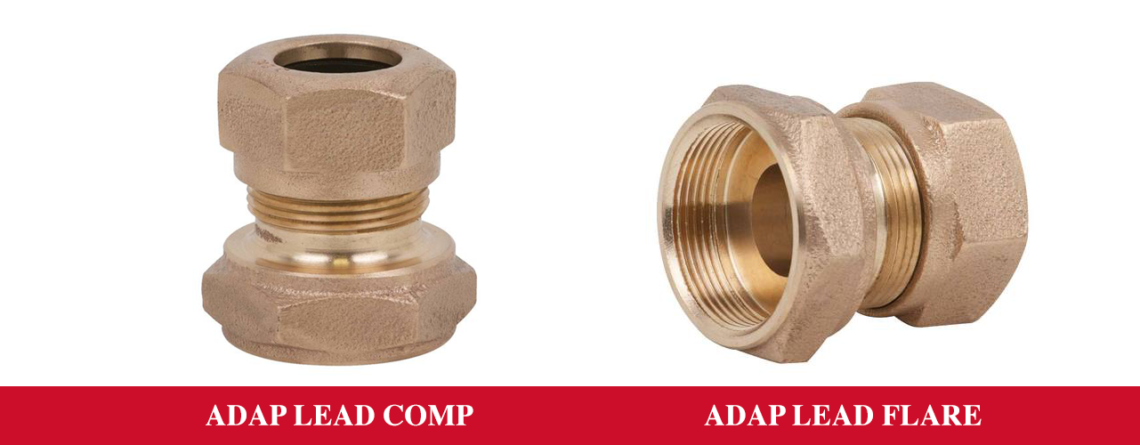
Since the Flint water crisis has come to a head, utilities and municipalities all over the country have started paying much more attention to the socially and economically costly problems that can develop from existing lead lines in the system. Has your department made a plan for removing or replacing these lines? If not, you may want to get into gear exploring your options. But while many utilities are looking at replacing existing lead lines, they haven’t considered the ramifications it will have on the rest of the existing system. Here are some considerations to keep in mind when replacing your utility’s existing lead lines.

It's not just a catchy phrase in Game of Thrones. Winter really is coming, and in the waterworks industry, that means time spent dealing with cold, icy weather, damage to the system and frozen lines. It also means running around when you realize you haven't prepared your inventory properly. Here is some more information on how to keep your water utility functioning well in the cold and what to keep on hand ahead of time.
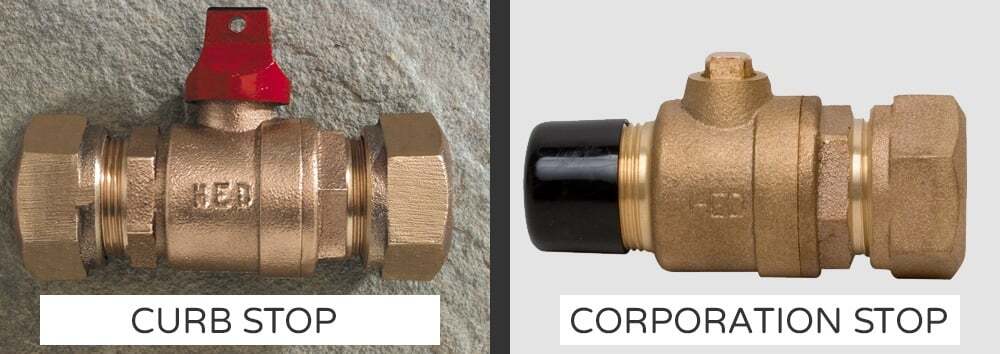
Curb and corporation stops often cause as much confusion as they do answers for fast and effective water shut off. What's the difference between them? What are the different types? In this post, we'll cover what you need to know about curb stops and corporation stops so that you can apply that knowledge effectively in the field.
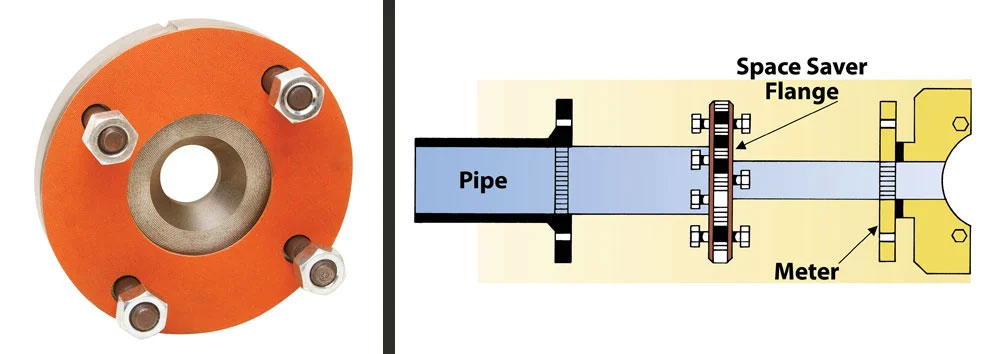
Flanges are a common component found in many waterworks systems, taking up a relatively small amount of space while providing superior water pressure. But what about situations where you have a tight fit, meter vault, for example, or along a section of pipe? If you're dealing with minimal amount of wiggle room in your setup, one possible solution is a space-saver flange. Designed to take up an absolute minimum of space, a space-saver flange is mounted first to the smaller pipe or fixture and then to the larger pipe or fixture, allowing the diameter to change without any serious change in the dimensions of the allotted space. Here are some situations where a space-saver flange can be beneficial.