

Everyone has seen some type of drought over the years, whether it's just a really dry summer or an unmitigated lack of rain that goes on for months on end. It's easy to see the lack of water in a drought. Lawns are brown, creek beds are dried up and washing your car in your driveway will put you on the lecture list from the neighborhood environmental activist. But while it's easy to see these signs, one area we often don't consider is the state of the aquifers.

When you need a quality pipe stand that provides solid support but goes above and beyond to meet your project's specific needs while remaining affordable, Red Hed's Custom Pipe Supports are here to help. With a range of different options available to meet your project's requirements, we can help you get underway in no time.
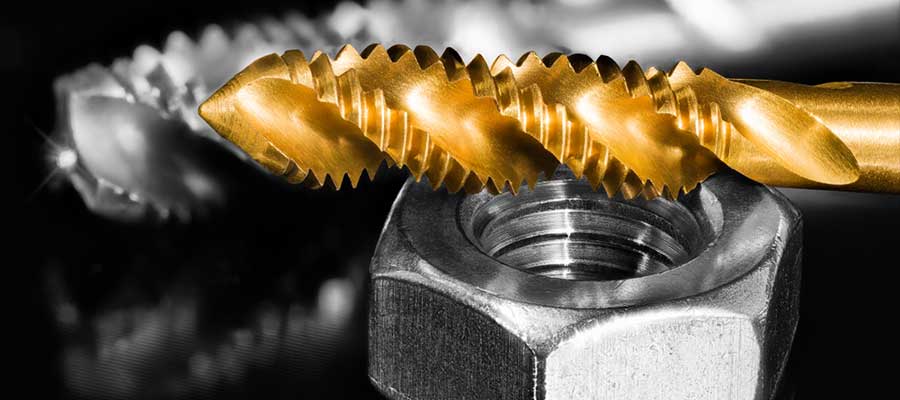
When your tap machine stops working, your crew is faced with a problem. With the average age of equipment in the waterworks industry at three decades or more, it's no surprise that your machinery has issues. You have options beyond scrapping old machinery or expensive replacements. We'll give you several options to get your tap machine back to work. Our full machine shop makes it possible for us to do anything from small repairs to complete rebuilds.

Over the years, pipe stands have become an important feature for many water utility systems. But what's the history of these stands, why have they been designed as they are and what are some potential issues they face? Here's a quick rundown on pipe stands and what you need to do to keep them functioning well for your water utility.
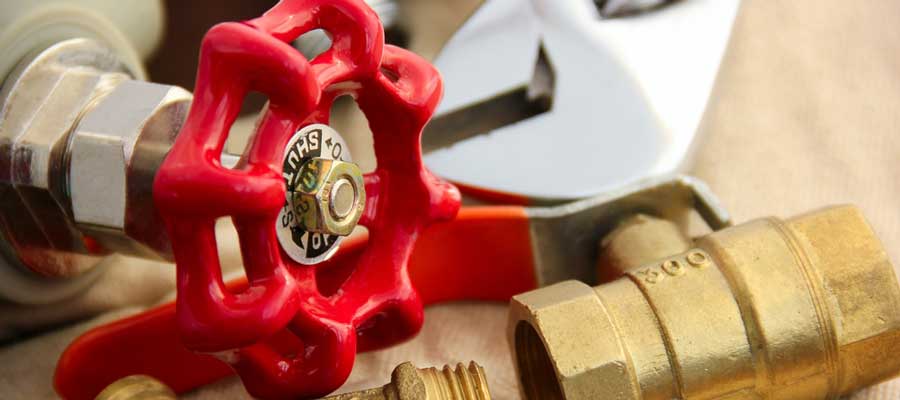
When you need to install a shut-off valve between your water supply and your home or business, it can be very confusing deciding exactly which type of valve you need. Your water utility may not make things much clearer, discussing meter valves, curb stops and service valves as being among the options that are placed in line on your water supply lines. Fortunately, we've cleared up the issue for you in this post. Here's a quick rundown of each type of valve, what it does, where it's located and why it's used in your water supply line system.
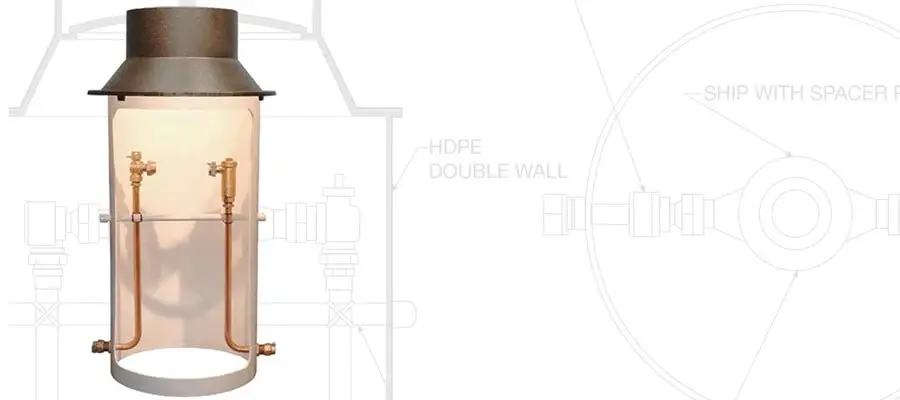
If your town specifies thermal coil pits for meters and service valves, do you really need them? Thermal coil pits have become a common specification in a number of towns in cold climates, but they're not really needed. But how are these types of pits different and why is it okay to argue for the use of a standard pit in areas where the specifications call for a thermal coil pit? Here's a quick comparison with more information to get you started.
I've got to admit, I've got a redneck house. When we first moved in, the drain lines needed work, and we discovered that they were held in place with a few rocks stacked underneath them. If your water utility looks like this, you KNOW that it needs some help! But even if you're using standard pipe supports, you know the problems they can lead to. Fortunately, Red Hed's Redi-Jack pipe supports provide superior results and performance. Here's a quick look at how they beat the competition hands-down.
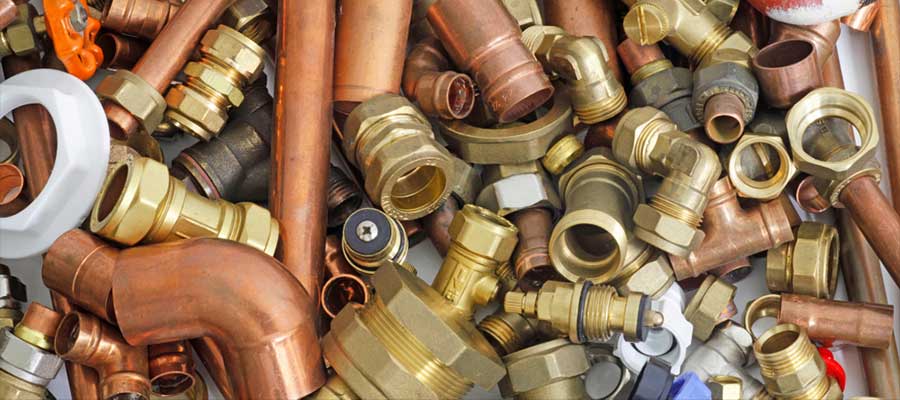
When you're in the field, you run across some different connections. But two of the most commonly used for smaller lines include compression fittings and flared fittings. But which type of outlet will work best for your specific situation and what's the difference between them? Here's a quick look to help get you started.
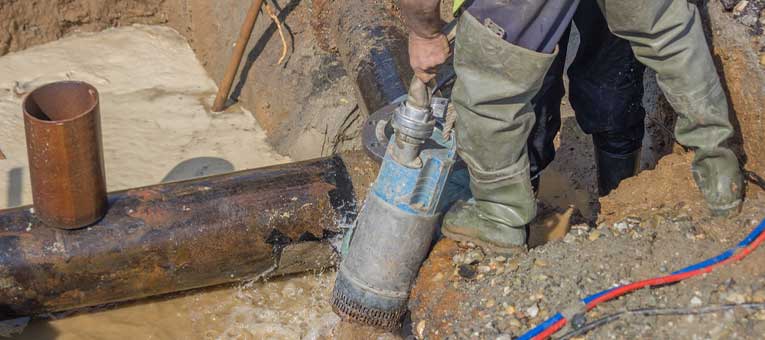
Whoever said there can never be too much of a good thing was obviously a hopeless optimist. When a construction site, flood zone, or other area has been inundated with water, removing it is vital to allow safe access and further progress in that area. Dewatering helps to make this happen for a wide range of situations, but it can be complex when you're dealing with a wide range of different fitting sizes and limited space to place them. Fortunately, Team Red Hed has the perfect solution. Here's how our space saver flanges can help you get the water out and get back to work.
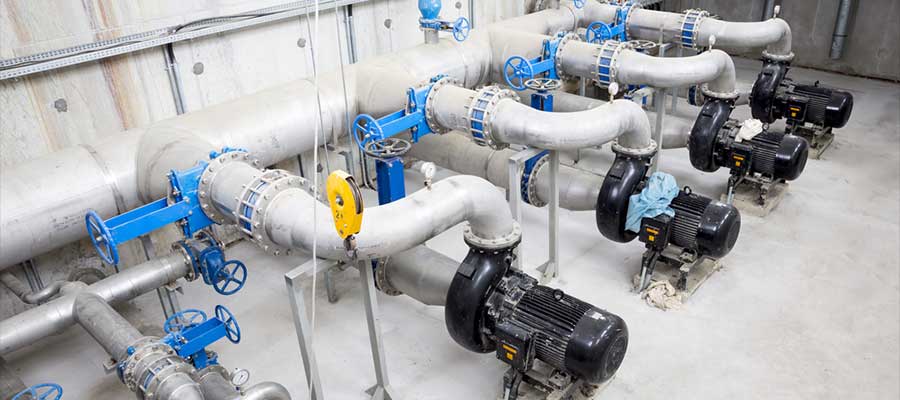
If there's one thing that's true of water utility work, it's that every single inch counts. When you're adding a pump to the system, downsizing meters or retrofitting a new valve or other fitting, it can seem as though every millimeter counts. When your new fitting or fixture is just a touch bigger than the old one, what do you do? Before you tear out the whole setup, why not see what our space saver flanges can do for your situation? Here's a quick look at common applications.