*Updated April 9th, 2020*
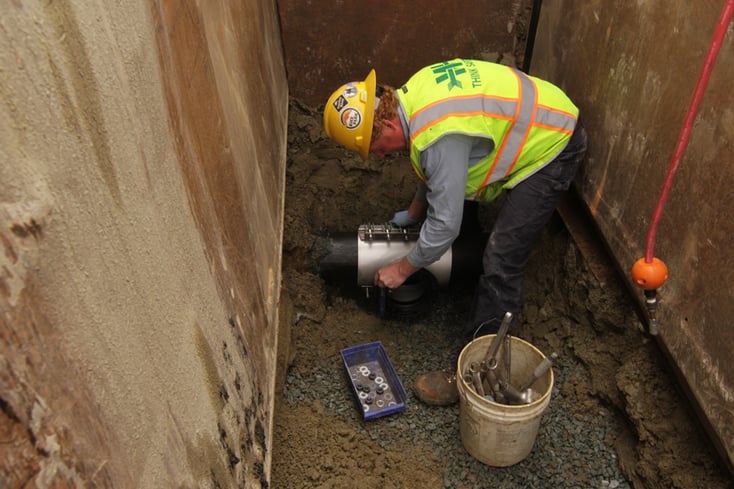
When you tie into an existing water main, you can either shut down the whole system to insert the tap or wet tap it while the system is still under pressure. Many municipalities are not familiar with how wet tapping works, so they use the same old technique they always have: shutting down the whole system. Unfortunately, that technique creates a lot of extra work, with pipe dewatering requiring that the water be tested for bacteria once it's turned on again according to regulations under the Safe Drinking Water Act. It also requires that a boil order be activated for all customers receiving water through that service. With wet tapping, you simply go on with your day. Let's look at what wet tapping is, how it works and the benefits and drawbacks of this technique.
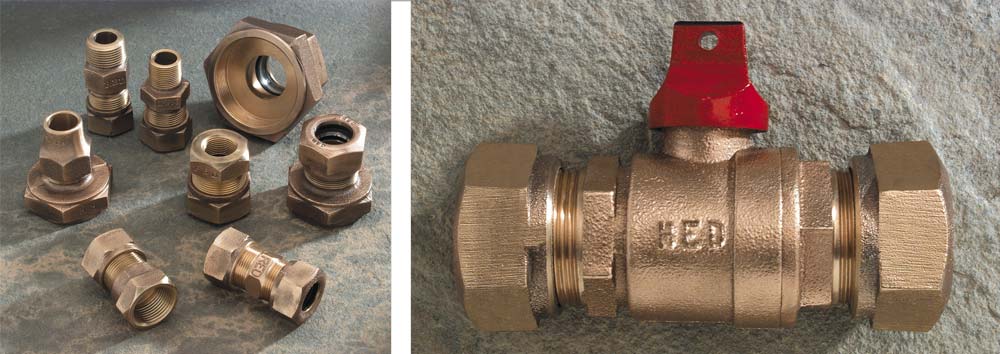
There's no doubt that there have been many changes in the definition of lead-free over the years, with a dizzying number of changes, definitions and standards. As these changes move forward, the continued reduction of lead in waterworks and plumbing fixtures is a concern for the continued operation of many waterworks and utilities companies. How do you stay ahead of the continuous changes of lead-free definitions and requirements that can cost your organization serious money, time and labor down the road? By starting with lead-free brass in the first place.

With the formation of the EPA and public concern over lead exposure in the 1960s and 1970s, the plumbing and waterworks industry saw the rise of a new set of laws that regulated lead content in drinking water. As time has gone on, amendments and additional legislation have been passed, on both the state and federal levels, to further limit the amount of lead allowed in drinking water and plumbing systems. But what exactly is the difference between these standards and how do they affect your industry? Here are some more details:
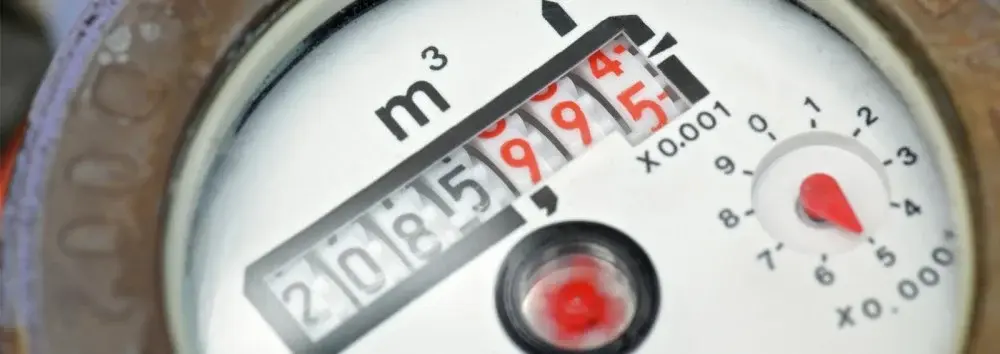
In the waterworks industry, meters are installed to meet current or expected future needs at a home or business. But what about when demand actually decreases or expected expansions don't take place? A common approach is to downsize the water meter at that site. But what are the benefits of downsizing meters that meet this criteria and how do they help ensure customer satisfaction? In this piece, we'll take a solid look at several reasons why meters are downsized and how they benefit your customers.
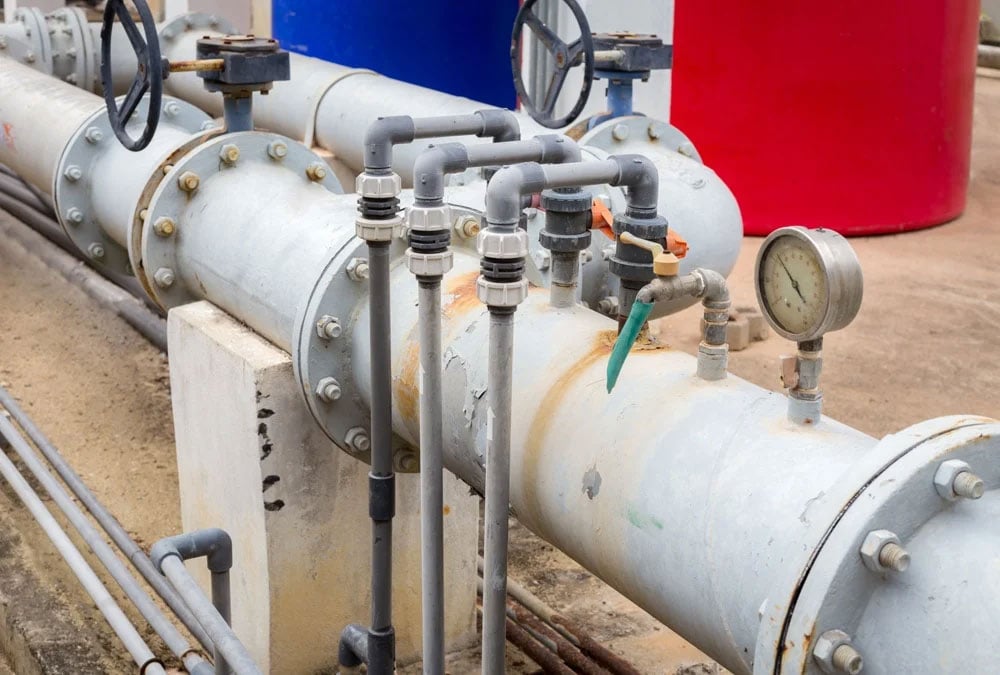
When you're working in the waterworks business, you know that the only thing uniform about the customers you serve is that they are all different. Some need water during particular parts of the day, while others require a constant flow. Some require only a little water because they're using exceptional water-saving technologies while others go through enough water to fill an Olympic-sized swimming pool every few days.
At Team EJP, we know that some of the situations that develop in your waterworks system can be unique and require special services and products that you may not otherwise be familiar with or use on a regular basis. When you're facing a problem like that, it's often more practical in terms of manpower and budget to bring in outside help that is more familiar with dealing with the problem at hand instead of fumbling ahead while paying your people while they try to figure out unfamiliar equipment or the best way to solve the problem. Here are some of the services Team EJP offers to help you keep your department running smoothly and efficiently:
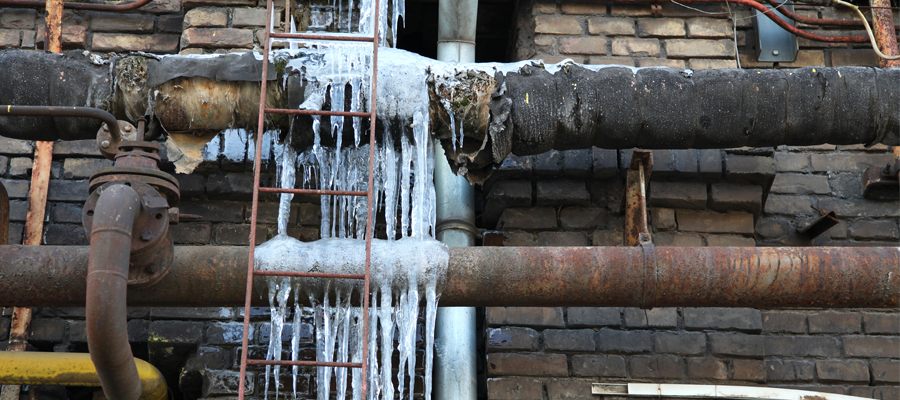
When you're in the waterworks business, you expect to have problems with a wide range of environmental conditions, from settling and shifting base soil to earthquake subsidence to problems caused by extreme temperatures. One particular concern during the winter months, especially in the northern climates, are frost heaves. Frost heaves can leave you with serious damage to your distribution network, even if your pipelines going through that zone never froze themselves. Here is more information on what frost heaves are, the kind of damage they can do to your pipe network and how to replace older pipes that have been damaged through frost heaves.


At Team EJP, we're always looking for a good company to partner with. When we needed help with transporting water, sewer and drain products within the New England region in 1980, P.E.P. Transportation was formed with a single tractor trailer unit. As we grew, so did P.E.P., adding additional units as needed until they sought their independence in June 1985. When it gained its own operating authority, P.E.P. became a contract carrier within the contiguous United States and has been granted licensing authority in Quebec and Ontario provinces in Canada.
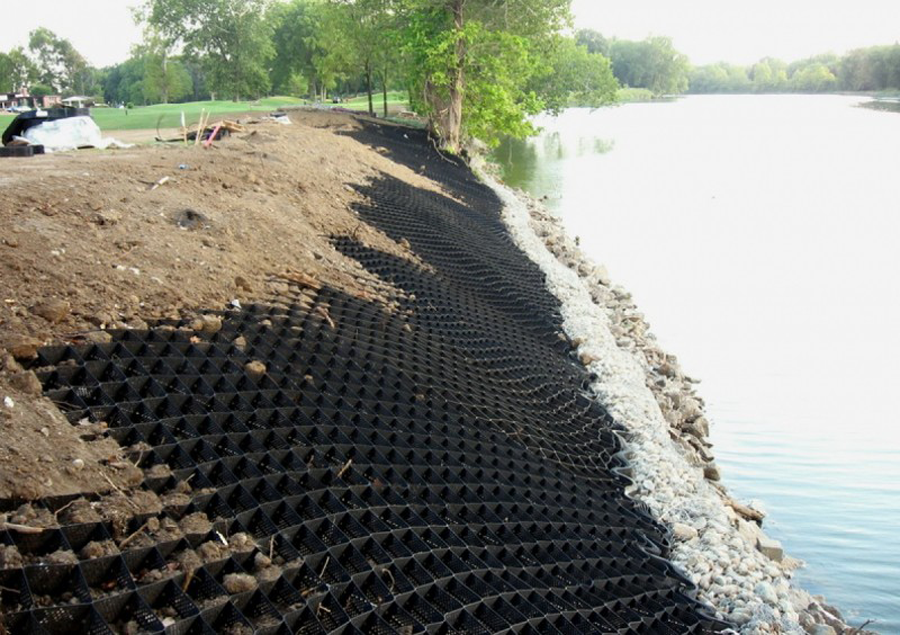
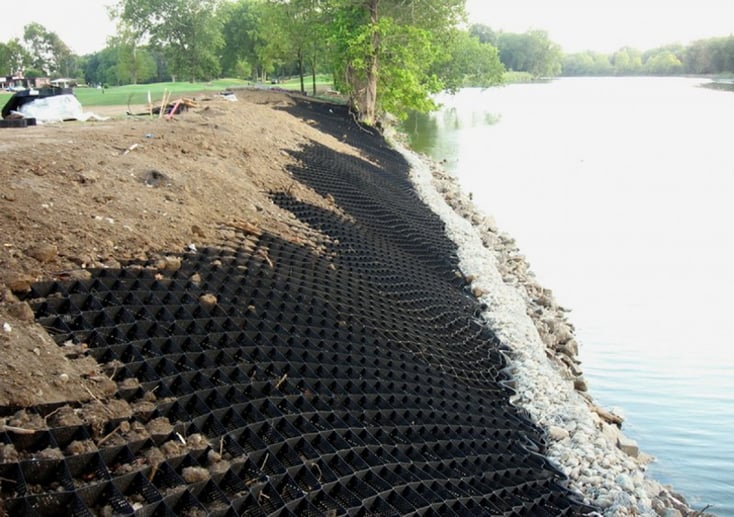
When it comes to protecting the quality of our clean water supply, controlling soil erosion goes a long way. By preventing the buildup of silt and mud in our waterways, we're protecting marine wildlife habitat and lowering the load on groundwater filtration. At Team EJP, we're proud to partner with Presto Geosystems to provide erosion control and soil stabilization products that help our environment while providing a solid solution that will last for years to come. Here's a bit more information about these fabulous products:
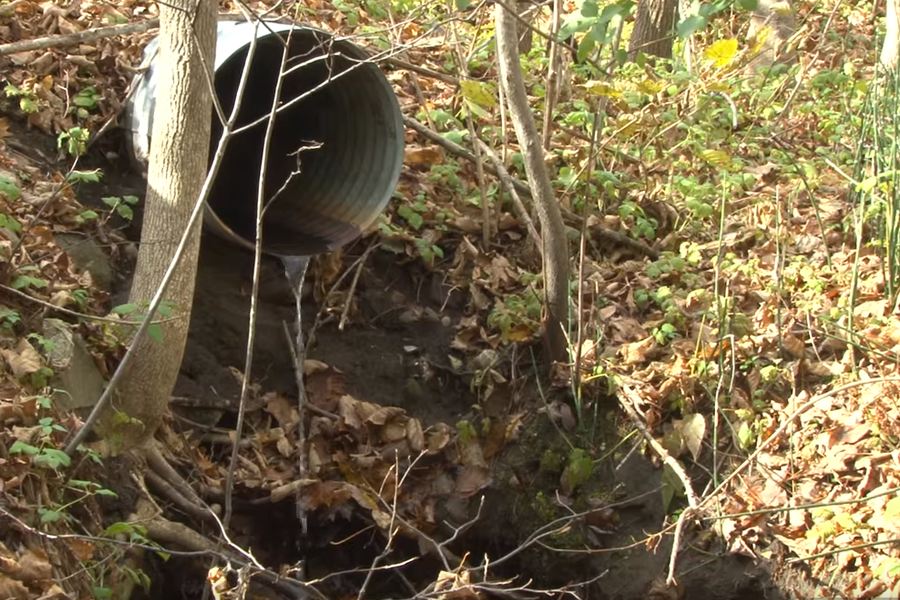
Our planet's clean water supply is a topic of great importance to Team EJP and all of humanity. Without clean water, we can't function. As technology has made strides over the past few centuries, that great natural resource has been placed in peril, through draining aquifers, storm water runoff, water pollution and other mechanisms. The recent push for water conservation and reduction of watershed pollutants and erosion has led local groups all over the country to work for better preservation of this vital natural resource.