
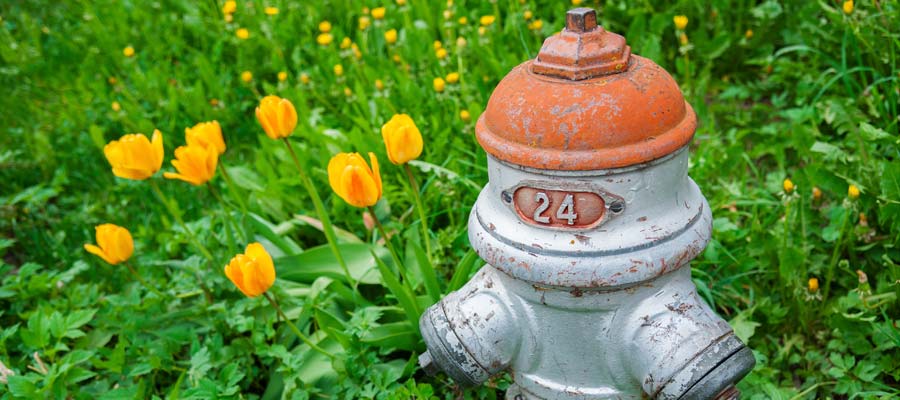
When winter's chill is gone, it's time to take it easy, freed from the issues winter brings to any waterworks system. But before you start to relax, have you considered what maintenance needs to be performed on your hydrants this spring? Here's our look at what maintenance tasks need to be undertaken before your hydrants are ready for the hot summer time.
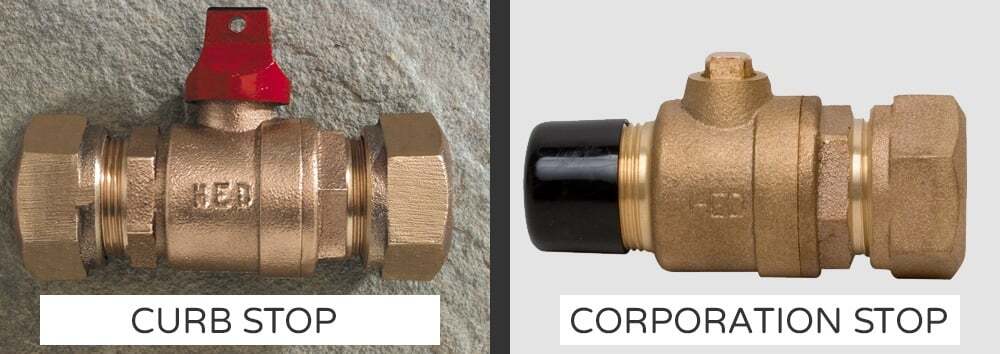
Curb and corporation stops often cause as much confusion as they do answers for fast and effective water shut off. What's the difference between them? What are the different types? In this post, we'll cover what you need to know about curb stops and corporation stops so that you can apply that knowledge effectively in the field.
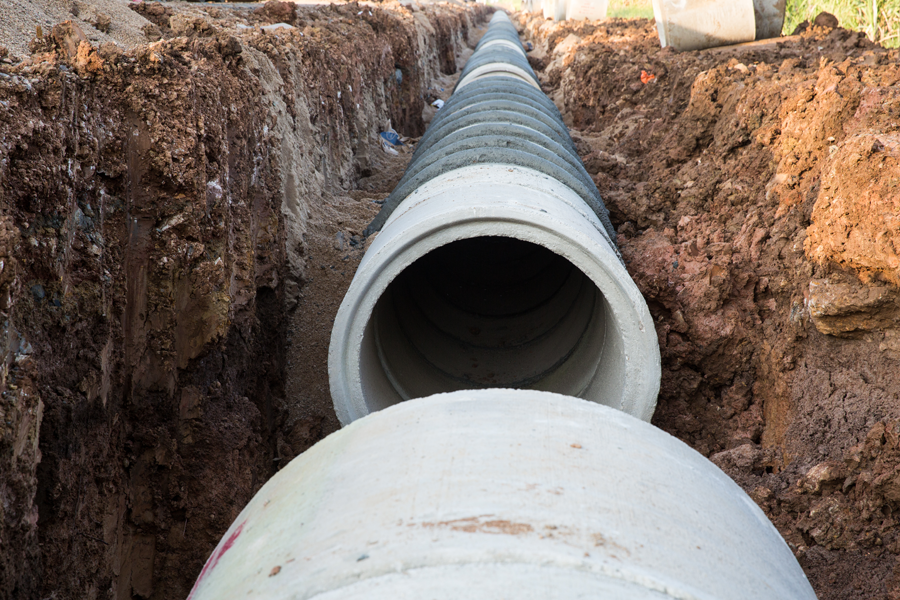
Erosion is a serious problem in our country. Though there have been many attempts at controlling the problem, there's a lot of confusion and misinformation out there about which options will be effective in which situations. Using the wrong option or not using the right one correctly can render the erosion control option completely ineffective. Which solution is best for your situation? Here's what we've found over the years.
With over 7 billion people on our planet, there's no doubt that saving our planet's finite resources and clean water makes good sense. But in a country with excellent water supplies, we often forget just how much water is wasted every day. Older water pipes begin to corrode and leak, soil subsides and causes small cracks and when it all adds together, nearly six billion gallons of treated water is lost on a daily basis in our country, estimated at 14-18% of the country's daily water usage. Locating and repairing leaks can make a big difference in our country's everyday water use. Here's how:
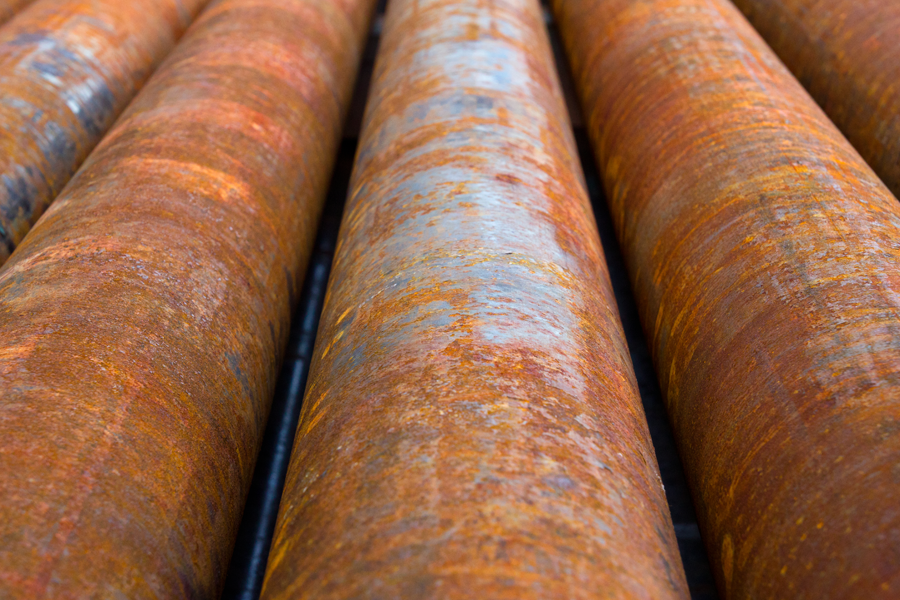
Flint, Michigan has been making the news lately, and not in a good way. With lead contamination in the water affecting between 6,000 and 12,000 children and 10 people dead from Legionaries' Disease, the government is scrambling to address the issue, but nearly a year into this event following the change in water supply sources, how will they recover from this? Flint is facing many of the same problems municipalities across the country are seeing, as the economy continues to slowly climb out of the recession. Old water supply lines are leaking, corroding or otherwise in need of replacement and money is tight. Fortunately, there are a variety of options available that are both affordable and safe. Here's our look at replacement piping and which situations they work in.
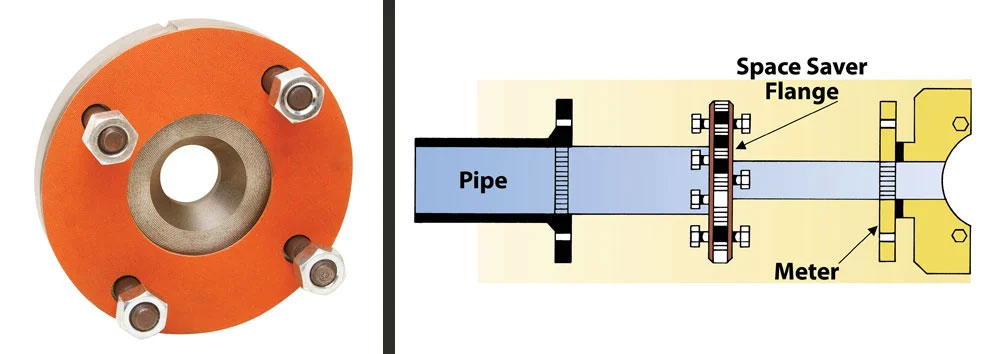
Flanges are a common component found in many waterworks systems, taking up a relatively small amount of space while providing superior water pressure. But what about situations where you have a tight fit, meter vault, for example, or along a section of pipe? If you're dealing with minimal amount of wiggle room in your setup, one possible solution is a space-saver flange. Designed to take up an absolute minimum of space, a space-saver flange is mounted first to the smaller pipe or fixture and then to the larger pipe or fixture, allowing the diameter to change without any serious change in the dimensions of the allotted space. Here are some situations where a space-saver flange can be beneficial.

With the concern over the past few decades about the content of lead in household materials and how it can leach into our drinking water, the passage of laws that limit the amount of lead in potable water pipes, fittings and fixtures have become common. Though this is a great general change in policy, the devil is in the details - specifically, the term "lead-free". Though many consumers expect that to mean that the material used to create the piece contains no lead, this isn't always the case. In this post, we'll take a look at current lead-free requirements as compared to 100% lead-free components.
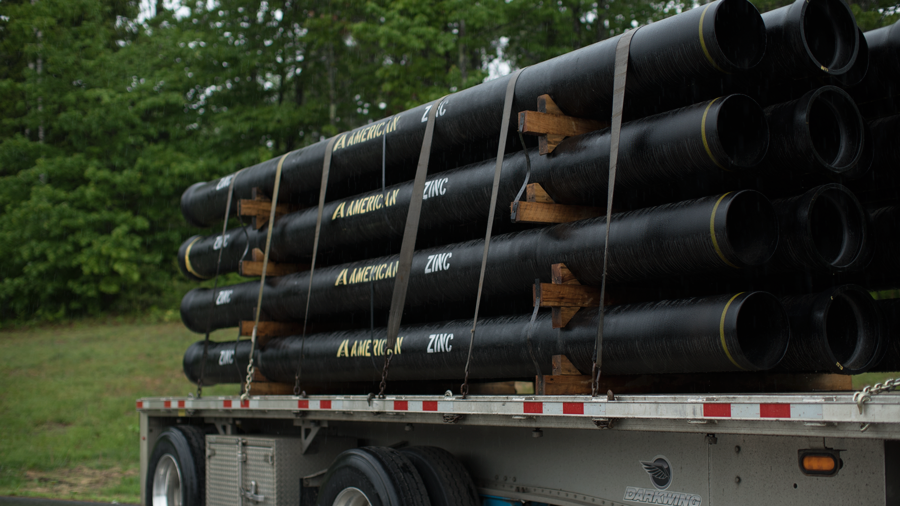
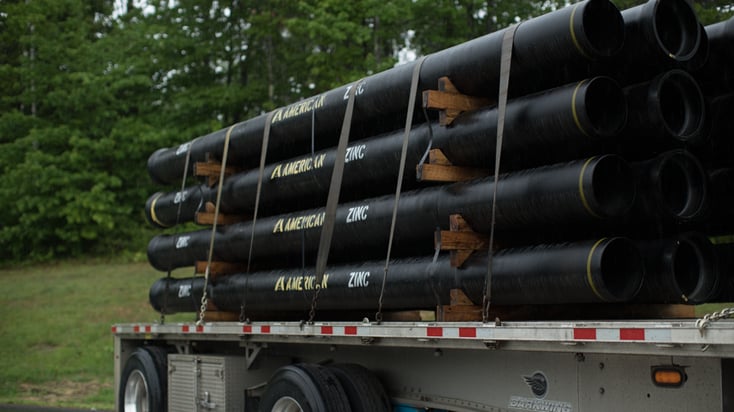
Though federal regulations provide strict limitations to what compounds are acceptable in potable water, the increasing interest in water filtration and potential water contamination often leaves customers curious or concerned about what's in their drinking water, often above and beyond what is really concerning. Though the primary concerns deal with lead or bacteria, some waterworks customers are starting to ask questions about the safety of zinc in their water supply. Here are some easy answer to common concerns raised by waterworks customers over the use of zinc in water pipes, fittings and fixtures.
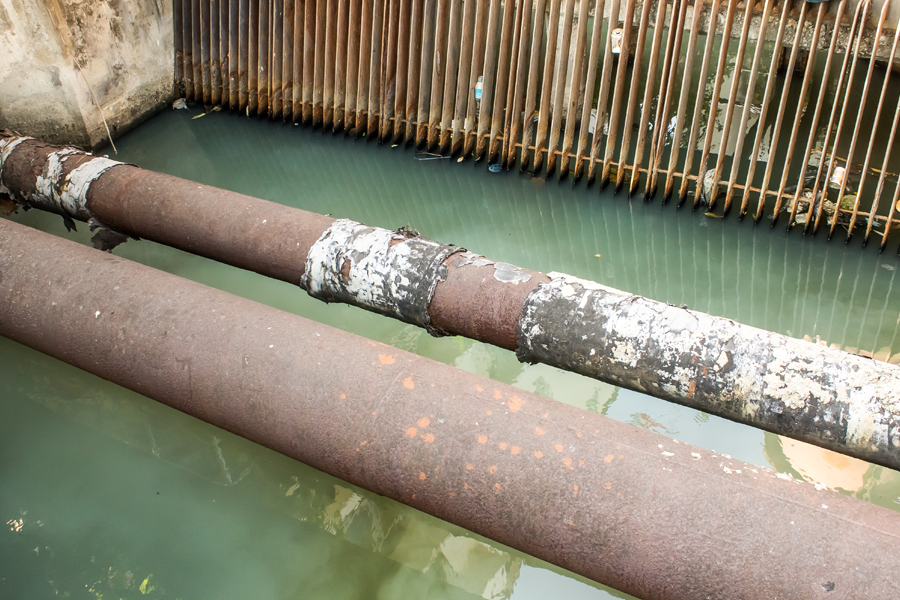
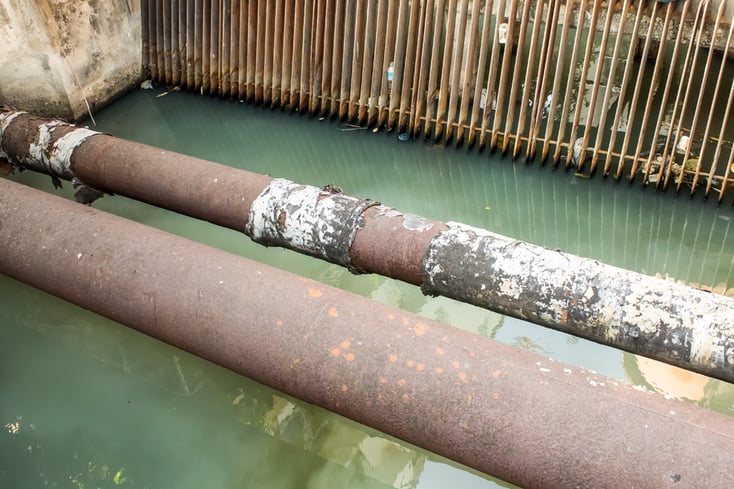
When you're faced with a problem in your waterwork's distribution system, either water or sewer, there's always a bit of give and take while you're trying to figure out the best possible solution to the problem. Will a patch work to get the pipe along a little longer? Should it be replaced with more of the same type of pipe? What about replacing that section with a different type of pipe? By knowing what the benefits and limitations are in each scenario, you can make an educated decision about what action to take for the benefit of your organization. Here's the details to help you decide.
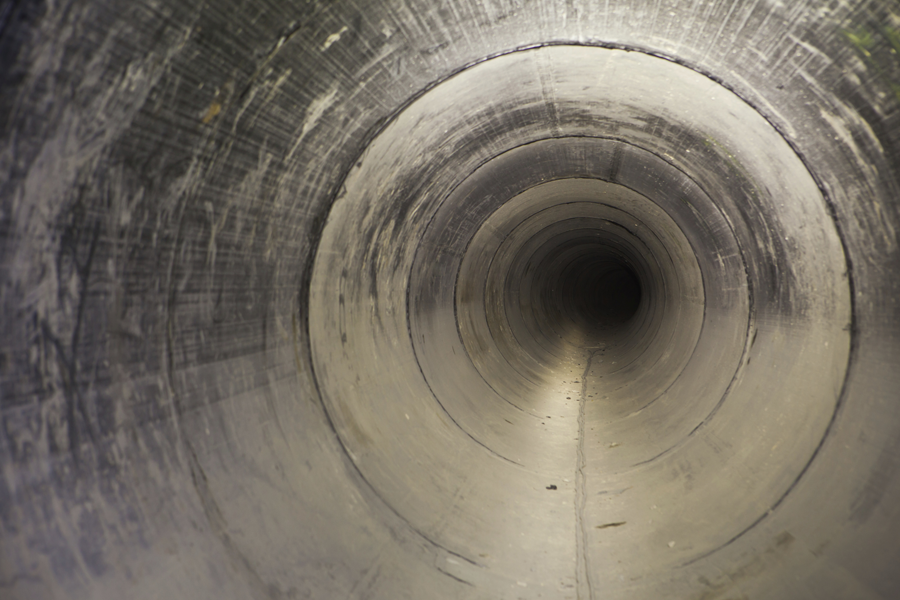
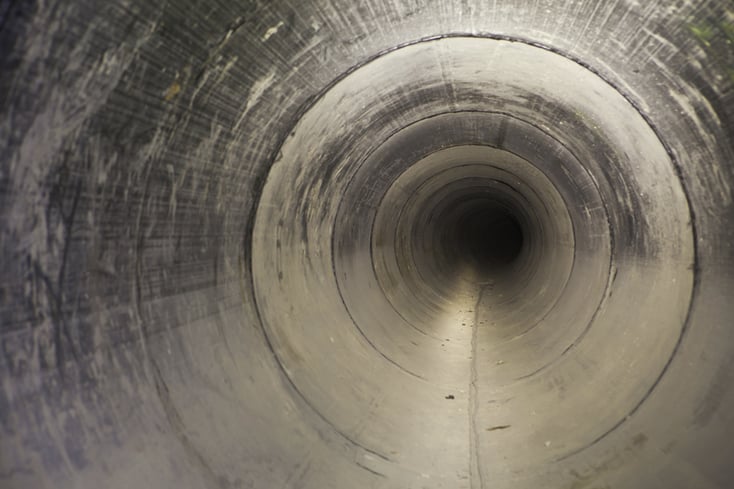
Whether you're trying to increase the lifespan of your existing culvert system or have safety concerns for the integrity of culverts around ford creeks and small bridges, culverts are a serious part of your storm water management system. If your waterworks or company doesn't keep up with maintenance, repair and replacement, you could be exposing yourself to everything from expensive replacements to legal action depending on what happens when your culvert system fails. One great options to consider is culvert lining. Here are the dangers of ignoring culvert maintenance and how culvert lining can help solve those problems.